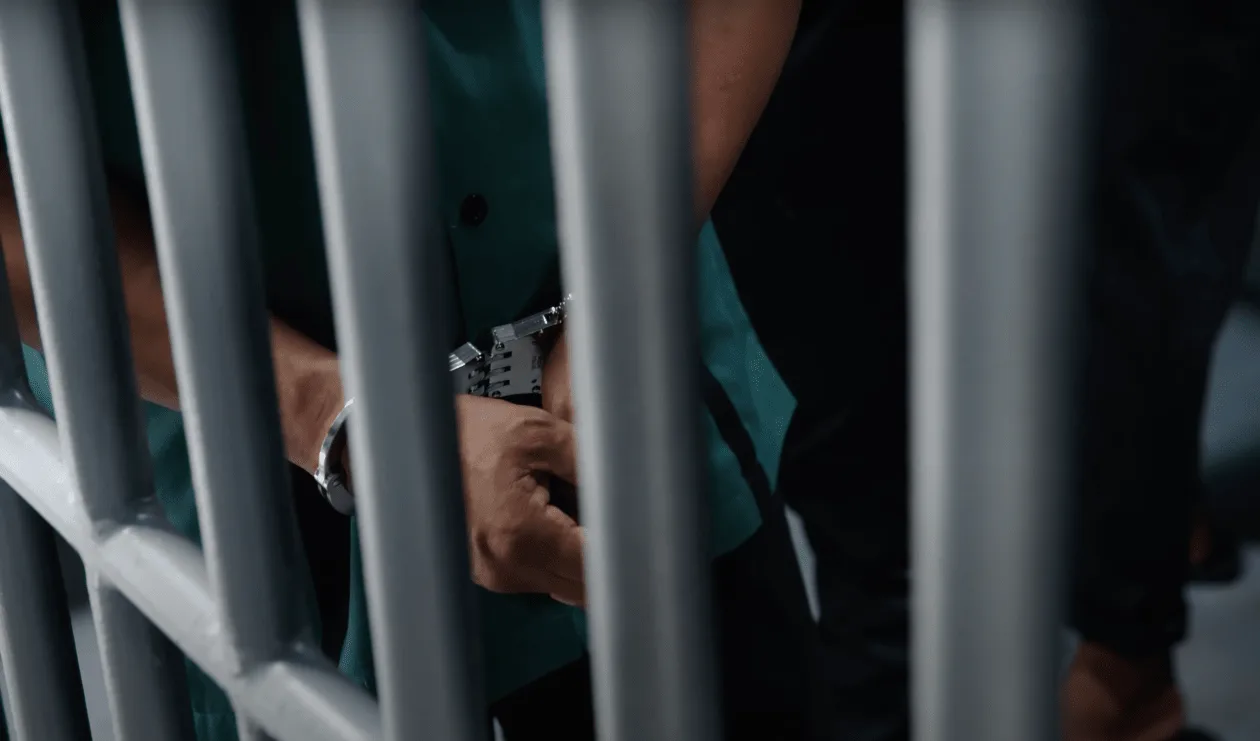
A government-sponsored bill introduced to the People's Majlis proposes that capital punishment be carried out by hanging the convict by the neck until death.
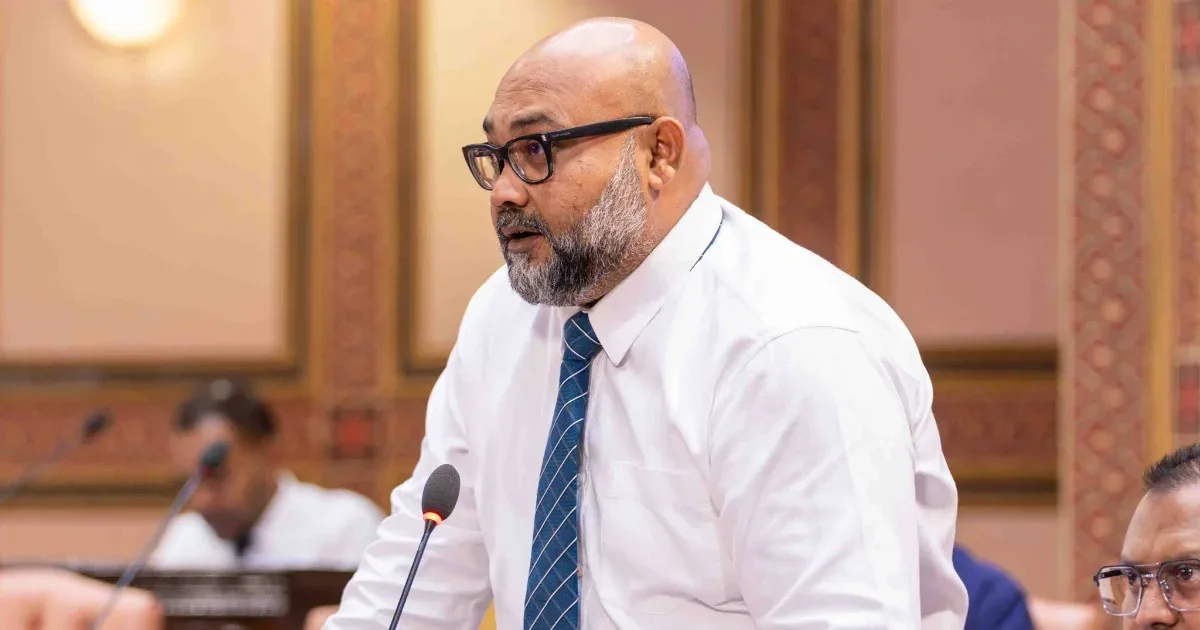
The Bill on the Determination and Execution of the Death Penalty was tabled by Guraidhoo MP Hannaan Mohamed Rasheed. It aims to set out procedures for imposing and enforcing the death penalty in line with the Constitution and judicial requirements.
Under the draft, hanging must be carried out as swiftly as possible and with the minimum pain. Specific equipment, materials and technical standards are to be defined in regulations. Executions would be performed by the Maldives Correctional Service and would not take place in public view.
A seven-member panel would oversee each case once all judicial stages are exhausted and the consent of legal heirs is obtained. The panel would include representatives from the Correctional Service, Police Service, Prosecutor General's Office, Parliament, a medical doctor appointed by the Maldives Medical and Dental Council, an appointee of the Supreme Court, and a member designated by the Supreme Council for Islamic Fatwa.
The bill lists circumstances in which execution must be postponed. These include pregnancy (until the child reaches two years of age), pending judicial review, applications before the Supreme Court, and cases where the convict's physical or mental health falls below an acceptable standard.
Capital punishment remains available for murder and for certain drug-trafficking offences involving quantities above defined thresholds (more than 350 grams of cannabis, 250 grams of diamorphine, or 100 grams of Schedule 1 narcotics), subject to a unanimous Supreme Court verdict.
The Maldives has not carried out an execution since 1954. In 2024 the government stated that four individuals had exhausted their appeals and stood at the stage of execution. Previous administrations have alternated between moving to end the moratorium and restoring it.
The bill also provides for a final meeting with family, the opportunity to make a last testament, and the presence of the Prosecutor General or a representative at the execution. Broadcasting or public sharing of images or audio of executions is prohibited.
Human rights organisations have previously urged the government to maintain the long-standing moratorium and repeal capital provisions for drug offences.